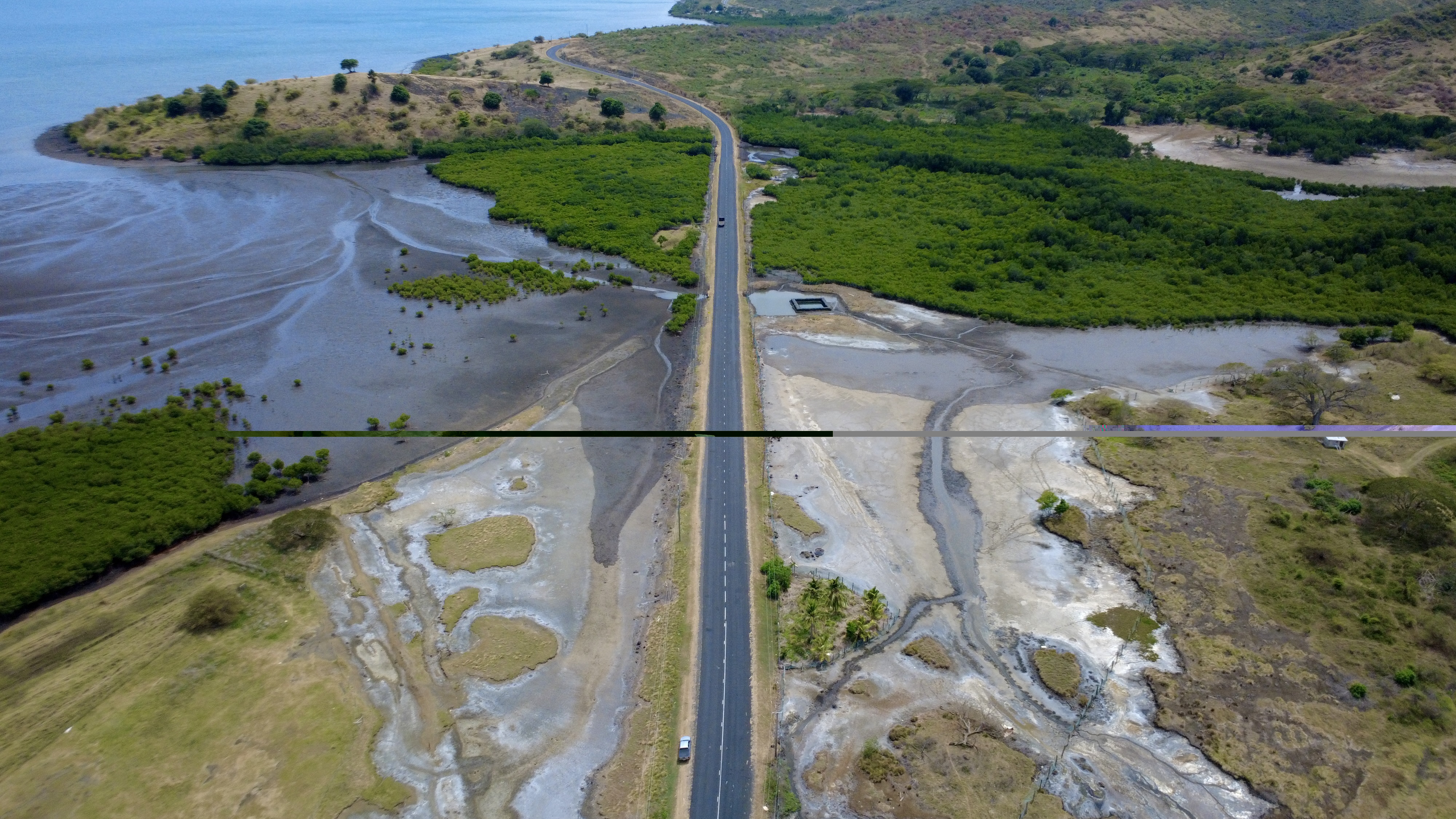
The Climate Infrastructure for Resilient Coastlines and Riverbanks (CIRCAR) initiative – jointly announced during the Pre-COP31 meetings by Australia's Ministers for Foreign Affairs and Trade, for Climate Change and Energy, and for the Pacific – will invest $3 million to integrate nature-based solutions into infrastructure investments across Fiji, Kiribati, Papua New Guinea and Tuvalu.
With AIFFP’s support, the NGO Live & Learn Environmental Education is working in partnership with engineering firm ARUP, governments, state-owned enterprises and communities across the four countries to support nature-based solutions to help protect AIFFP’s infrastructure investments. Through locally led consultation and co-design, the initiative applies a wide range of approaches such as mangrove restoration, revegetation, coral reef protection and riverbank stabilisation to complement traditional infrastructure, strengthen climate resilience and support more sustainable outcomes for infrastructure and the communities they serve.
Projects include:
-
Strengthening the resilience of the Wau-Bulolo Highway in Papua New Guinea
Working with communities and stakeholders in Morobe Province, CIRCAR is exploring opportunities to address erosion and strengthen resilience of riverbanks along the Wau-Bulolo Highway through nature-based solutions that complement traditional infrastructure approaches.
-
Supporting Fiji's Kings Road and Queens Road upgrade
CIRCAR is working closely with the Fiji Roads Authority to strengthen coastal resilience at sections of the Kings and Queens roads that are vulnerable to coastal inundation and erosion, helping to reduce climate risks and protect surrounding communities.
-
Protecting the East Micronesia Cable landing site in Kiribati
The initiative is exploring how nature-based solutions can support the resilience of telecommunications infrastructure and surrounding coastal environments at the East Micronesia Cable landing site in Nanikaai, Tarawa.
-
Building resilience around the VAKA undersea telecommunications cable project in Tuvalu
CIRCAR is implementing nature-based solutions to provide additional protection at the landing site of the VAKA cable, delivered by AIFFP through the Falepili Union, to help manage climate risks facing coastal communities and telecommunications assets.
The initiative forms part of the Australian Infrastructure Financing Facility for the Pacific's broader commitment to building climate-resilient infrastructure. Through innovative blue-grey-green approaches, CIRCAR implements nature-based solutions integrated with traditional engineering solutions to improve infrastructure performance, strengthen resilience to climate impacts and support more sustainable outcomes for Pacific communities.
Media release: